
Start with the quantity the buyer can establish
In its 3 September 2026 update on retail grocery recommendations, Canada’s Competition Bureau reiterates the value of clear, consistent unit pricing for easier price comparison. That source concerns grocery policy. It provides neither laundry-pod sales data nor evidence that every household cleaner falls under an identical pricing rule. The procurement recommendations below apply the practical idea of an explicit comparison basis to a specific buying question: what does a 50-piece laundry-pod tub actually tell the buyer?
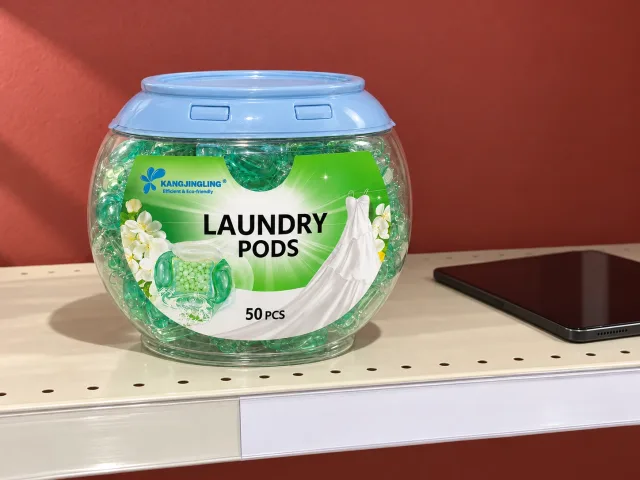
For a Canadian importer or retail buyer, the first useful distinction is between the number of physical pods and a supported number of washes. Qiaoshou’s current Kangjingling catalogue describes a 50-piece retail tub. That count is a starting specification for the project. A wash-count statement needs the selected formula’s confirmed directions and the conditions those directions describe. Leave that statement unresolved until the supporting information is available rather than allowing a product title or spreadsheet shortcut to decide it.
Build the sample record around an identifiable specification
Before requesting a sample, specify Canada as the destination market and identify the pod and tub format under consideration. Ask the supplier to connect the sample identifier to a formula reference, proposed directions, pod count and packaging version. Keep the catalogue image alongside that record as a visual reference, while treating the sample specification as the document to resolve. This gives the buyer a way to distinguish a presentation sample from the exact configuration being considered for an order.
During review, record what each observation establishes. A count check can address the number of pieces in the reviewed tub; it cannot establish detergent performance or a suitable dose for an unspecified laundry load. Similarly, the shape of a lid is insufficient to establish a safety claim about the closure. Record questions about directions, packaging and supporting documents separately, assign an owner to each, and retain unresolved fields visibly so that later artwork does not quietly turn them into promises.
Compare quotations on the same physical basis
Give each supplier the same quantity fields: pieces per retail tub, retail tubs per shipping carton and total retail tubs in the quotation. Ask for any proposed difference to be stated explicitly. A quote described only as a number of units leaves room for confusion between a single pod, a tub and a carton. Align those terms before comparing totals, and record the currency and included commercial charges beside the quantity basis so that the purchasing team can identify what it is comparing.
For internal comparison, a per-piece figure can be calculated from a confirmed tub price and confirmed piece count, provided both quotations use the same cost basis. Label the result as cost per piece. It is an arithmetic purchasing reference, not a measure of cleaning value or a cost per wash. If the buyer later needs a wash-based comparison, first establish the applicable directions and comparable use conditions for each product. Avoid carrying a dose assumption from a competing SKU into this one.
Carry the approved count into the online listing
Use one approved product record to prepare the proposed listing title, quantity field, image captions and description. If the approved specification remains a 50-piece tub, keep that physical count consistent across those fields and the quotation. Do not replace pieces with washes merely to make a title shorter. Review marketplace fields carefully: an automatically selected unit or a copied description can introduce a different quantity basis even when the main title has been written correctly.
Treat pack-size variants as separate checks. A listing that combines one tub with a multiple-tub offer needs a clear explanation of what the shopper receives in the selected variant. The buyer should be able to trace that variant back to its quotation and packaging record without guessing. Review any proposed comparison copy at the same time. A lower cost per piece alone does not establish better performance, and visual differences between pods do not supply missing formula or dosing information.
Make the next sample request specific enough to resolve gaps
A useful sample request names the target market, intended retail format, proposed label languages and information still needed for the buying decision. For this tub, ask for confirmation of the selected formula, directions, packaging configuration and the availability of relevant product documents. Ask the supplier to identify which details are fixed and which remain project choices. Order quantity, price, sample timing and production timing should then be confirmed against that specification rather than inferred from a catalogue photograph.
Before approving the listing or placing an order, compare the reviewed sample record, current quotation and proposed product page together. Resolve every change in piece count, formula reference, directions or pack configuration with the responsible supplier contact. Keep a dated approval record for the version that will move forward. The immediate goal is a traceable purchasing decision: the buyer knows what physical quantity was reviewed, what quantity was quoted and what quantity customers will see, while any use-based claims have their own supporting evidence.
Article references
These general references support buyer checks. The importer remains responsible for confirming the rules that apply to the final formula, classification and destination market.