
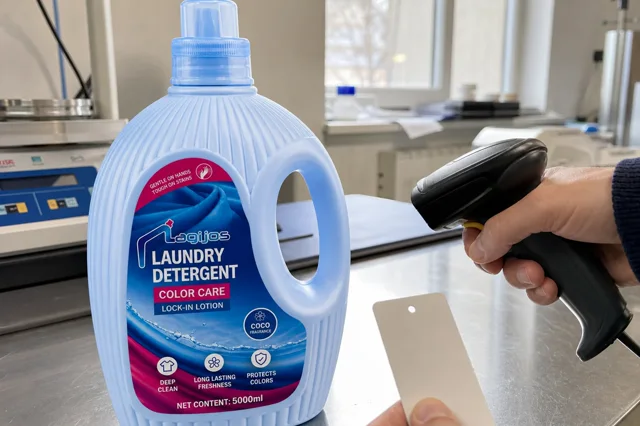
Start with the packaging file, not the headline regulation
EU packaging news is easy to read as a regulation story, but the buyer problem is more practical. A private-label cleaner needs a file that explains what the pack is made from, what the label says, how the carton is marked and which documents support the order.
That file should be started during RFQ, not after the bottle and label are already approved. Laundry detergent, kitchen degreaser, toilet cleaner, drain cleaner, tea stain remover and hand washing powder can each have a different pack shape and label space, so one generic packaging note is rarely enough.
Record pack materials before artwork locks
Ask the supplier to identify the main packaging parts in plain language: bottle or jar, cap or trigger, label, sleeve, pouch, carton, divider and any shelf-ready tray. The buyer does not need a long technical essay at the first stage, but the purchasing team should know which parts need local review.
For a detergent bottle, this may include the bottle body, measuring cap, front label, back label and outer carton. For a trigger degreaser, the trigger head and neck protection matter. For powder cartons, board strength, handle position and print area should be checked before the design is treated as final.
Check claim wording while it can still be changed
Packaging claims often create more late work than the pack itself. Words such as recyclable, refill, concentrated, eco, antibacterial, family size or color care should be listed in the buyer file with the evidence or local review needed for the destination market.
This does not mean every claim is wrong. It means the importer should decide which claims belong on the label before the artwork becomes expensive to change. If a retailer, agent or compliance adviser needs to review the wording, give them the draft label, pack material notes and product description together.
Connect the carton plan with shelf and warehouse needs
EU retail buyers may ask about shelf-ready packs, barcode position, case quantity, carton marks or how mixed SKUs will be received. A clean label file is not enough if the outer carton uses a different name, count or barcode reference from the packing list.
Before bulk packing, align product name, net content, pieces per carton, carton number, destination mark, barcode or retailer code and any handling mark. This helps the warehouse identify the product without opening cartons and gives the importer a cleaner file for retailer intake.
Keep import documents tied to the same product name
Common cleaning-product files include SDS or MSDS, COA where applicable, ingredient notes, commercial invoice, packing list, label artwork and carton-mark approval. The exact set depends on destination country, sales channel, formula route and private-label wording.
The names should match closely enough that a buyer can trace one SKU through the label, carton and document folder. If the label says laundry detergent color care while the document file uses a factory short name, clarify the mapping before shipment.
What to send Qiaoshou for an EU packaging review
Send the destination EU market, product type, bottle or pack size, label language, claim wording, artwork status, target sales channel, carton or shelf-ready requirement, barcode needs, expected quantity and required document list.
With that brief, Qiaoshou can review the product sample, packaging route, label space, carton marks and common export documents together. The quote then reflects the pack the buyer plans to sell, not only the liquid, powder or bottle price.
Official reference sources
These general references support buyer checks. The importer remains responsible for confirming the rules that apply to the final formula, classification and destination market.