
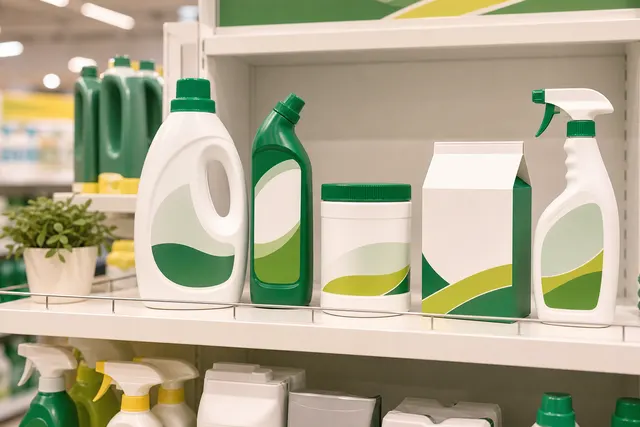
Private label has moved upmarket
Recent retail research points to a stronger role for private label: shoppers are more open to store brands, but they still expect quality, clarity and a product experience that feels intentional.
In household cleaning, that makes packaging and range architecture important. A low-cost drain cleaner, a kitchen degreaser and a laundry detergent should not look like unrelated factory SKUs with a logo added at the end.
How buyers can brief the range
Start with the shelf role. Is the product meant to be an opening-price SKU, a reliable daily cleaner or a more premium household-care line? That decision affects fragrance, pack size, label hierarchy, carton count and the amount of product education needed on the back panel.
A focused supplier conversation should cover the SKU ladder, packaging direction, documentation and the first production volume that makes the range commercially sensible.
Official reference sources
These general references support buyer checks. The importer remains responsible for confirming the rules that apply to the final formula, classification and destination market.