
1. Choose the business you actually want to operate
A product business sells cleaning goods. A cleaning-service company sells work, and a laundromat sells washing capacity. These can be your customers, but their equipment budgets and service margins do not tell you what it costs to launch a product brand. Within product sales, retail resale and wholesale distribution can overlap; the important differences are your customers, stock commitments, delivery work and credit exposure.
Private label is another route, not a requirement. Suppliers use white label, private label and OEM differently. Ask whether you are buying an existing formula, commissioning a change or supplying a formula you own; agree separately on the brand, artwork, formula rights and any exclusivity. Manufacturing brings another business into the project: facilities, technical staff, process control, batch quality and local workplace and environmental obligations. Do not price a liquid-filling operation as though it also covers powder processing or pod manufacture.
Four routes into cleaning-products sales
| Route | Your main work | What must be funded and checked |
|---|---|---|
| Resell an existing brand | Buy finished goods and reach retail customers | Supply/channel permission, stock, local sale requirements, delivery and returns |
| Wholesale or distribution | Supply shops, contractors or institutions repeatedly | Carton economics, route density, trade credit, reliable replenishment and collections |
| Private-label brand | Specify an outsourced product and develop your own offer | Samples, brand/artwork, product/pack review, market requirements and first production run |
| Own manufacturing | Run production as well as product sales | Facility, technical team, equipment/process validation, raw materials, quality and operating controls |
These are business-model choices, not legal classifications or ranked investment tiers. No universal startup capital figure applies to all four.
2. Research the first customer, not just the global market
Define a narrow starting proposition: for example, laundry liquid for households reached through local shops, kitchen degreaser for a kitchenware retailer, or a surface cleaner for an existing housekeeping customer base. Treat these as hypotheses. Ask buyers what they use now, where they buy, what pack they choose, what disappoints them, who approves purchases and when they reorder. Ask retailers about sell-through, payment terms, shelf space and promotions. An encouraging conversation is weaker evidence than a paid trial or a repeat order.
Audit a comparable local shelf and online channel. Record the date, location, seller, product, pack size, displayed price, promotion, delivery charge and directions. Compare price per litre or kilogram only within a sensible category; price per pod is not cost per wash without a supported dose. For example, the LuLu UAE pages checked for this guide displayed a 1-litre own-brand laundry liquid at AED 18.00 and a 15-piece pod pack at AED 15.70. These are limited retail observations, not wholesale quotations, equivalent cleaning outcomes, sales volumes or proof that a new brand will succeed.
3. Choose a cleaning task before choosing a format
A first range should earn its place in the channel. A customer already buying laundry liquid may value a familiar pouring format; a pod buyer may value pre-portioned handling. A household-cleaning seller might have a clearer opening with kitchen grease or one permitted hard-surface task. None of these choices automatically produces a better margin. Freight, pack failure, instructions, competing products and the cost of acquiring the order can reverse an attractive factory-price comparison.
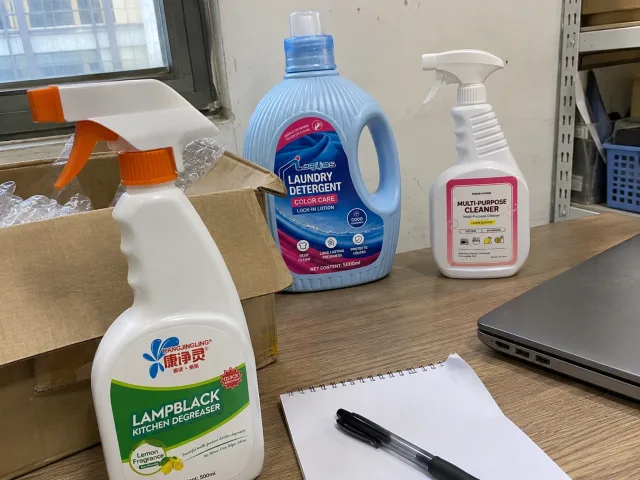
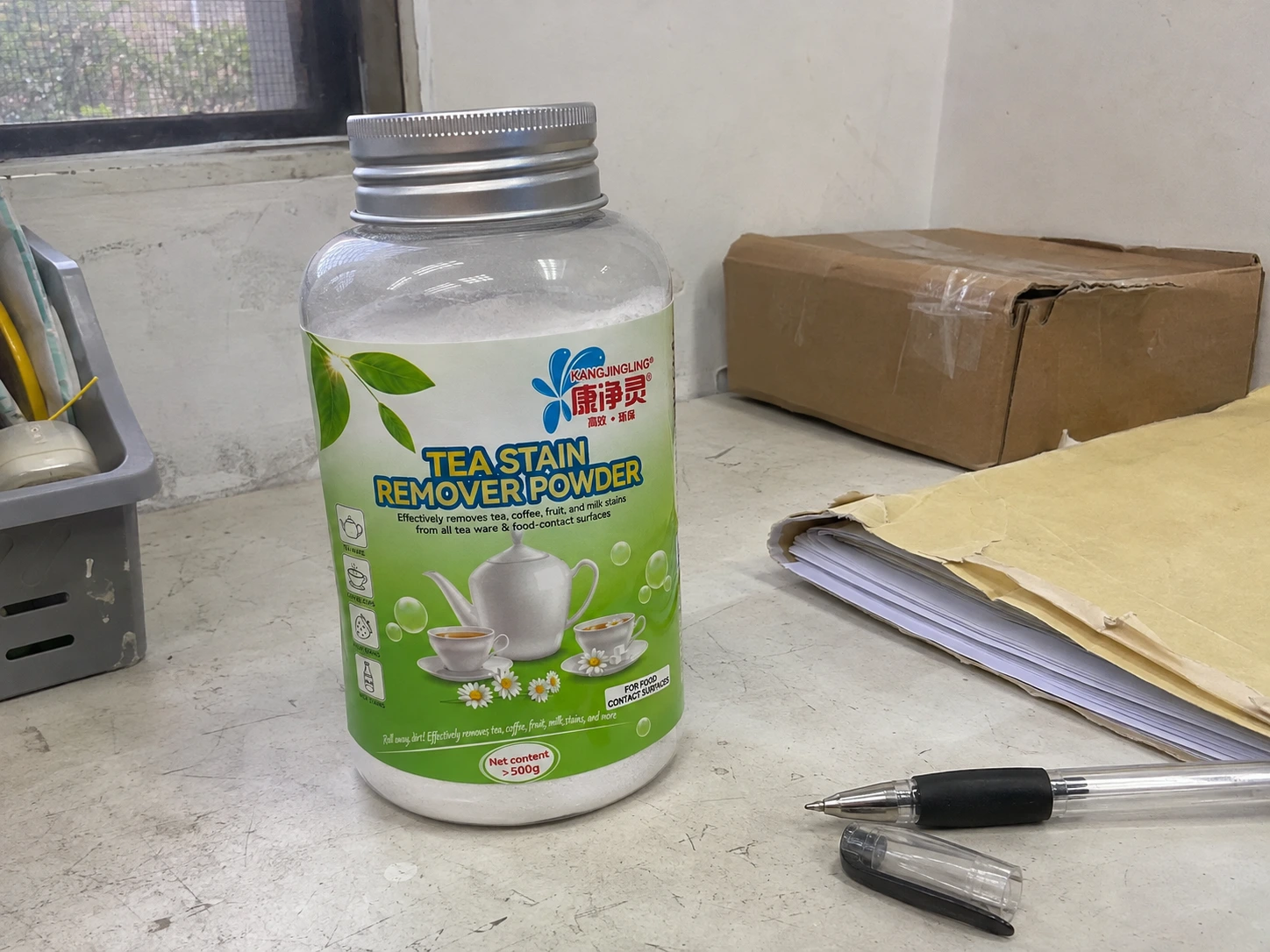
Qiaoshou’s current catalogue includes bottled laundry detergent, laundry pods, kitchen degreaser, multipurpose cleaner, toilet and bathroom cleaners, and specialist products such as tea-stain remover. Use the selected SKU as a starting point for discussion, not proof of suitability for every customer. Laundry powder and hand-dishwashing liquid are also categories to investigate when buyers request them; this research did not establish them as current Qiaoshou supply. The catalogue item named Hand Washing Powder is described as hand-cleansing powder and must not be substituted for laundry powder.
Product and first-channel decisions
| Product | A possible first customer or channel | What to establish before buying |
|---|---|---|
| Laundry liquid | Households through a reachable shop or local delivery route | Dose/use conditions, pack size, closure/leaks, shipping weight and repeat buying |
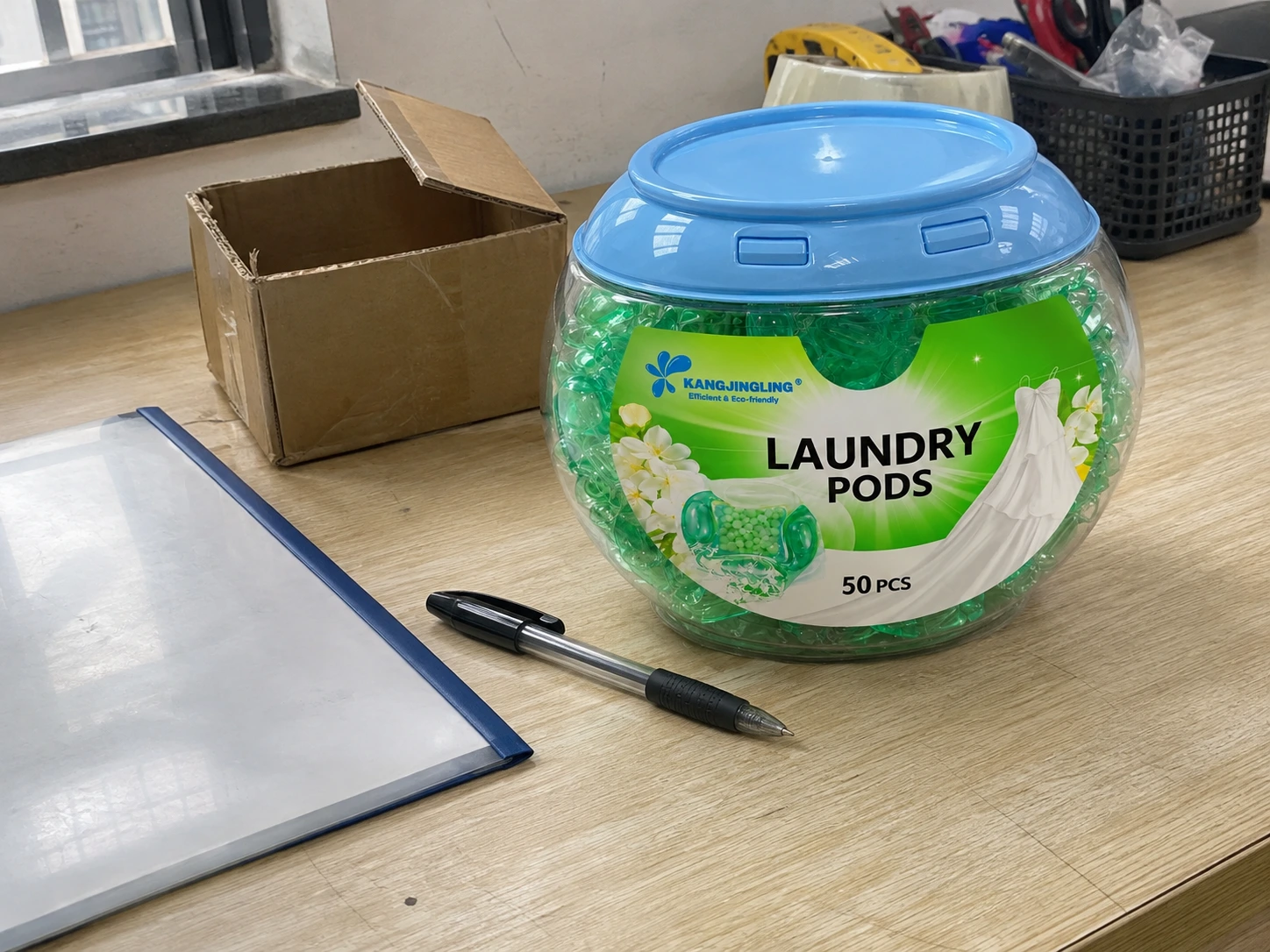
| Laundry pods | Machine-washing customers in a channel that can explain use | Actual program/dose, pack integrity, storage/handling and customer education; pieces are not washes |
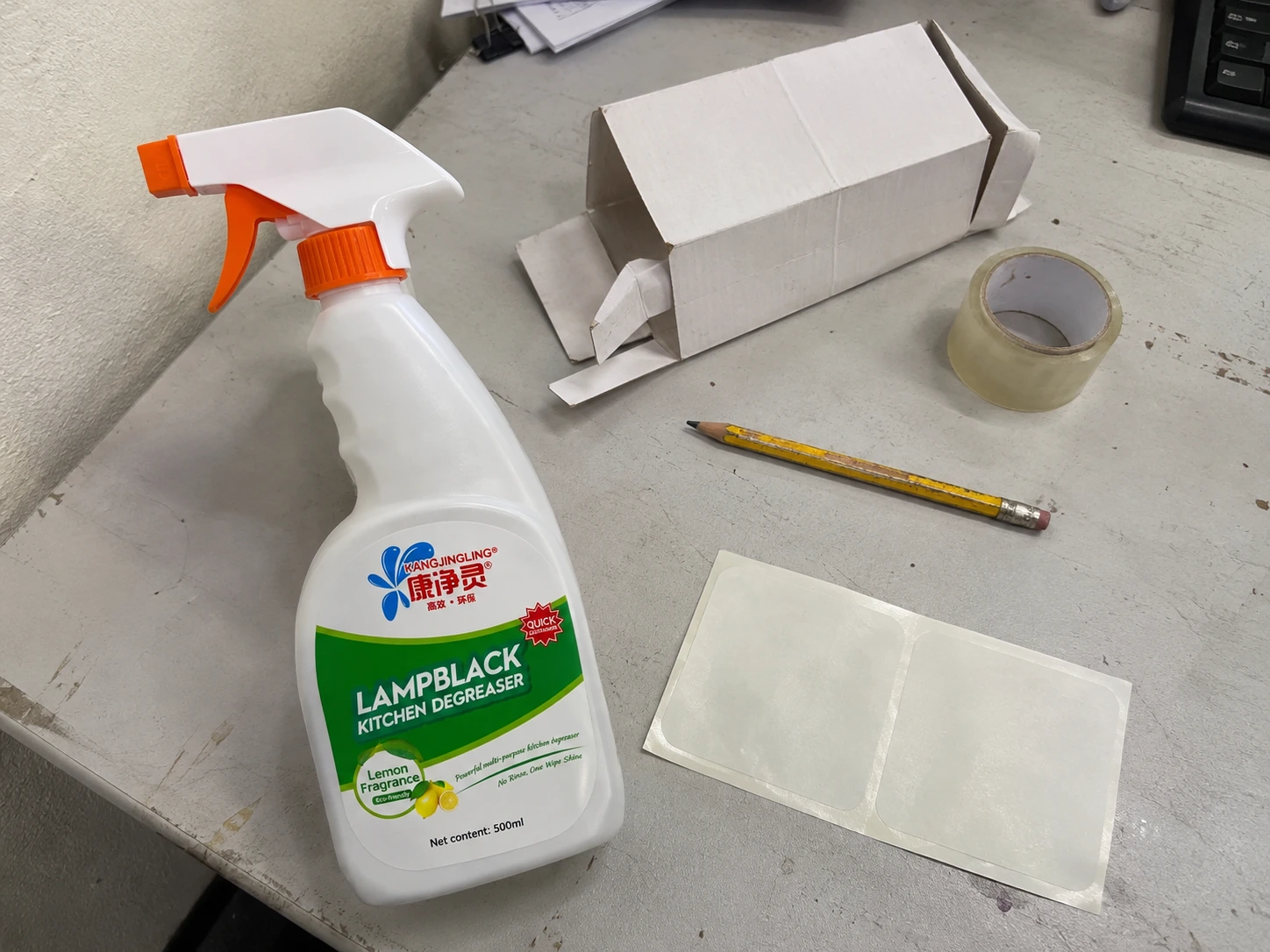
| Kitchen degreaser | Kitchenware retail or a customer with a defined grease-cleaning task | Permitted surfaces, directions/rinsing, trigger reliability and acceptable cost for the task |
| Multipurpose cleaner | Existing household or housekeeping customers | One clearly permitted use, exclusions, residue expectations and a reason to switch |
| Toilet or bathroom cleaner | A channel with specific bathroom-maintenance demand | Distinct intended surfaces, warnings, closure and training; cleaning is not a disinfection claim |
| Tea-stain remover | A tea/coffee equipment channel with a real maintenance need | Approved materials, dose/rinsing, powder packaging and actual reorder frequency |
These are editorial selection hypotheses, not demand rankings or proof that a retail pack meets commercial-use requirements.
4. Match the sales channel to the pack and service you can support
For local retail or community sales, validate the shelf price, the shop’s required margin, restocking frequency and responsibility for unsold or damaged goods. For wholesale, count the cost of a delivery stop and customer credit as well as the carton purchase price. A large invoice is not a good sale if collection takes too long or each delivery consumes the margin. For contractors or hospitality buyers, ask about the job, required pack, dosing system, training and procurement approval; a small retail spray bottle may not fit their operation.
For ecommerce, model the complete order: the packed weight and dimensions, marketplace/payment charges, pick-and-pack, last-mile delivery, advertising, refunds and settlement timing. Amazon UAE’s public pricing distinguishes referral, fulfillment and other charges; the applicable amount depends on the category and fulfillment arrangement. Use the current calculator and your exact packed SKU, not a fee percentage copied from a blog. Bundles may spread a shipment charge across more units, but add packing work and a higher customer ticket. A refill operation adds measuring, container compatibility, labeling and traceability responsibilities; it is not simply a cheaper bottle.
5. Compare suppliers on the same written brief
Start with the legal seller, manufacturing location and the work actually performed there. Check the contracting and receiving-payment entities, selected-product capability, any subcontracting, batch records and complaint handling. A website, factory video or general certificate answers only part of that question. Check certificate holders, scope and validity, then match product documents to the exact formulation and packaging version. Independently verify a changed payment account through an established contact route.
Send the same brief to each supplier: destination country, first channel, intended task, product reference, expected quantity, pack and label languages. Ask separately about finished-product MOQ, minimum packaging/printing runs, permitted variants, sample charges, artwork/tooling, testing, payment, lead-time starting point and quote validity. Confirm formula/artwork ownership and change notification. A lower unit price is not comparable if it excludes the trigger, carton, required tests or freight that another offer includes. Qiaoshou does not publish a universal MOQ or startup budget in this guide.
6. Test a product-and-pack combination, then approve its version
Write the comparison conditions before sampling: the reference product, target soil or material, dose, water conditions, machine/program where relevant, and observations to record. Kitchen and surface products need the permitted materials and rinsing directions checked. Laundry formats need evaluation under the intended wash conditions. Keep meaningful repeated observations and qualified laboratory work where required; foam, fragrance and a polished demonstration do not establish cleaning performance or stability.
Review the filled retail pack as well: its label at printed size, opening/closing, trigger or dosing component, leakage, outer carton and agreed transport/storage evaluations. Link the final approved sample to the specification, formula/pack revision and production order, with retained samples and change controls. For pods, keep packets in their closed original container, out of children’s reach and sight, and handle with dry hands. Those precautions do not establish that a particular tub is certified child-resistant. A 50-piece reference tub establishes a count, not 50 washes.
7. Turn the quotation into a landed cost
Compare local procurement and importing on the same destination-warehouse basis. Include the selected goods and packaging, origin charges not already included, freight and insurance, destination handling, clearance, applicable duty and non-recoverable taxes, receiving and local transport. Check the actual customs classification with the responsible broker or authority. Recoverable import tax can still consume cash before recovery; do not silently treat it as either free funding or a permanent product cost.
Specify the named place or port and Incoterms version in the purchase terms. Incoterms allocate delivery obligations, cost and risk; they do not replace agreements on quality, payment, ownership or remedies. An EXW price and a delivered price are different starting points. A door-to-door offer still needs its inclusions, exclusions and importer arrangements checked. Ask the forwarder for the actual packed dimensions, gross weight and classification requirements; do not infer transport status from one raw ingredient or from the product’s name.
8. Calculate contribution before quoting your customer
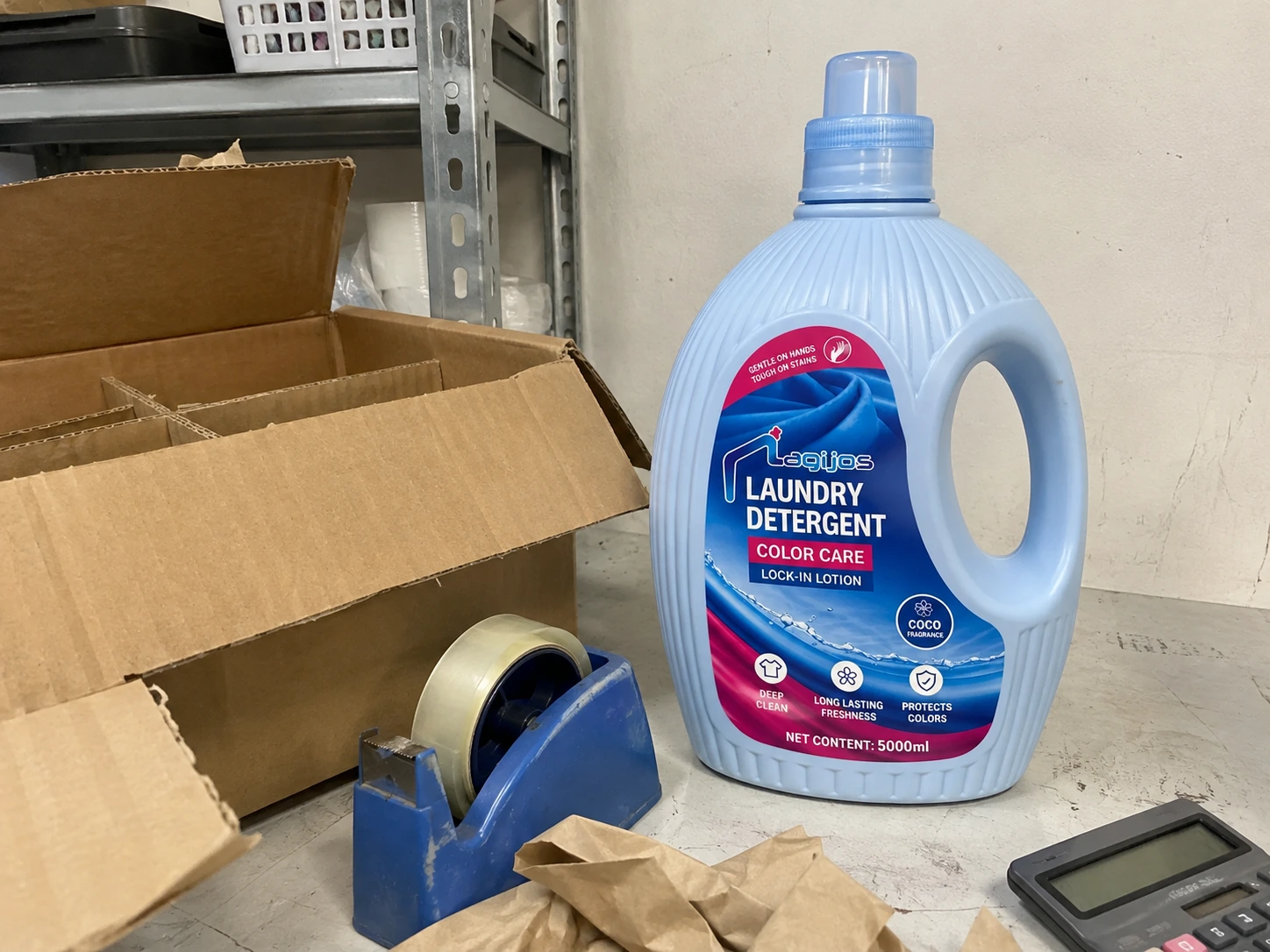
Use sales revenue after discounts and refunds, before the platform, payment and fulfillment charges you deduct below, on a consistent tax basis. Deduct the product’s landed cost and the variable cost of making that sale. Allocate acquisition and delivery costs over the units actually sold in an order, and include relevant refunds or loss allowances. Keep recurring fixed expenses separate. If you distribute to a shop, your revenue is your wholesale price, not the consumer’s shelf price. A markup over the factory price is not a net margin.
The following USD example is invented solely to explain the arithmetic. At $8.00 revenue and $5.50 variable cost, one bottle contributes $2.50 toward fixed expenses. With assumed fixed operating costs of $1,000 per month, simple break-even is 400 bottles per month. At a $7.50 realized price with unchanged costs, contribution is $2.00 and break-even rises to 500. If contribution is zero or negative, more volume does not solve the problem. Break-even here excludes recovery of one-off launch spending, financing and income tax; it is not a payback promise.
Fictional economics — USD per sellable bottle
| Item | Assumption | Replace with |
|---|---|---|
| Sales revenue before the costs below | $8.00 | Your realized selling price on the chosen tax basis |
| Product and retail packaging | $2.50 | Exact written supplier offer |
| Inbound/landed allocation | $1.30 | Quoted route and relevant charges; no duplicated freight |
| Channel, acquisition, payment and outbound fulfillment | $1.50 | Your order/channel costs allocated per bottle |
| Returns and damage | $0.20 | A stated planning assumption updated with actual experience |
| Total variable cost | $5.50 | $2.50 + $1.30 + $1.50 + $0.20 |
| Contribution, not net profit | $2.50 | $8.00 − $5.50 |
All amounts and the bottle/order quantities used in this guide are hypothetical, not Qiaoshou prices, MOQs, market benchmarks or forecasts. No particular catalogue bottle is priced by this example.
9. Fund the reorder, not only the first shipment
Separate one-off setup expenditure, stock funding and a cash reserve. Put actual payment and receipt dates into a rolling cash plan: samples, artwork, local review/testing, deposits, production balance, freight/tax, storage, sales settlements, returns and the next purchase. Payment terms and customer credit can matter as much as the unit price. Run slower-sales, delayed-delivery and higher-cost cases. Use actual replenishment time, demand variation and existing stock to set your reorder point rather than a universal months-of-stock rule.
Consider a deliberately simplified cash example using the same fictional unit costs. The founder pays $1,500 in one-off setup costs and $7,600 for 2,000 landed bottles, and keeps $3,000 available: $12,100 of opening funding. In one month, 600 bottles sell at $8.00 with immediate collection. Assume $1,020 is paid for the $1.70-per-bottle selling/returns costs and $1,000 for fixed operations. Cash increases by $2,780 to $5,780. Cost of stock sold is $2,280 (600 × $3.80), even though it was paid earlier. That month shows $500 operating profit before launch-cost recovery, financing and tax, yet an immediately prepaid $7,600 reorder needs another $1,820—or $4,820 to preserve the $3,000 reserve. The remaining 1,400 bottles are stock, not cash. Different order sizes, deposits, credit or settlement delays change the result; this is why the payment calendar must be modeled. The immediately prepaid second order is a cash-stress assumption, not a recommended reorder date or quantity.
10. Resolve the destination-market route before printing
A business licence, a finished-product approval and a barcode solve different problems. Identify the local responsible business, product classification, intended use, claims and required documents before ordering artwork. Safety data must match the product; it is neither a universal marketing certificate nor proof of cleaning or disinfection performance. A new brand, formulation or pack should not be assumed to inherit another SKU’s approval. The following examples illustrate different routes, not a complete legal checklist or rules for whole regions.
Malaysia: distinguish consumer sales from workplace supply. DOSH explains that CLASS concerns chemicals supplied for workplace use; the finished-product classification determines the hazard-communication consequences. Ordinary laundry and surface cleaners should not automatically use NPRA’s human-body cosmetic route, and general household cleaning is distinguished from surface disinfection in NPRA guidance. Confirm the selected product and channel locally rather than claiming that every cleaner needs the same registration.
UAE: Cabinet Resolution 96/2024 sets a federal detergent framework including ECAS requirements and Arabic-and-English warning phrases for products within scope. Dubai Municipality separately requires detergent registration in Montaji before entry to the Dubai market. Check both levels, the local applicant and the exact product file; a suitable trade licence is not a substitute. Do not use an older English-and/or-Arabic summary to bypass the newer federal warning-language provision.
Russia: verify product safety/registration and other conformity requirements by formula, use and current scope, then assess Chestny Znak separately. Specified consumer-packaged detergents entered identification marking from May 2025; current operator guidance includes later amendments and classification-code distinctions. Confirm the customs and Russian codes, retail pack, code application and reporting responsibilities with the importer. A Data Matrix code is not evidence that the formulation has passed its safety requirements.
11. Build the brand around claims you can support
Check the proposed name and brand rights before committing to labels, and agree who owns the artwork files and any packaging tools. Build a purchase reason around a customer and a verified product experience rather than filling the label with stronger adjectives. Claims such as antibacterial, baby-safe, non-toxic, eco-friendly, suitable for food-contact surfaces or child-resistant require their own support and market review. A source package carrying a phrase is not proof that it can be reused on your new label.
Prepare one controlled artwork file containing the verified product identity, quantity, directions, warnings, required languages, responsible-business details, batch/date information as applicable and barcode space. Check it on the physical pack and against the approved product file. Confirm the exact net quantity from current agreed specifications and the actual sample before using catalogue information in a listing. Do not turn grams into millilitres or pod counts into wash counts. Every extra fragrance, size or language version adds another specification, stock commitment and change-control task.
12. Make the first order inspectable and traceable
The purchase order should identify the approved product and packaging version, quantity, price basis, payment schedule, delivery terms, required documents and lead-time trigger. Agree acceptance criteria, sampling and inspection scope, defect handling, shortages, damage and what happens after a rejection. A pre-shipment check of quantity, packaging and marks differs from laboratory verification of a formula or claim; neither should be described as a guarantee that every unit is flawless.
At receiving, reconcile cartons, product/pack labels, batch references and visible damage against the order. Keep saleable and suspect stock separated, record complaints by batch/order where possible, and define how customers and downstream resellers can be contacted if a problem requires withdrawal or recall. Confirm storage and staff-handling requirements for the actual products; do not mix cleaners during demonstrations. Close the loop with the supplier before replenishing an unresolved problem.
13. Launch with a decision rule, then earn the second order
Choose a pilot you can afford and agree its review rule in advance. A retailer trial needs shelf placement, a known review date, units sold to shoppers and any returns; delivering stock to the retailer is only sell-in. A B2B trial needs agreed use conditions, feedback from the user and the purchasing decision-maker, and a written next-order discussion. An online pilot needs actual net revenue, acquisition and delivery costs, refund reasons and the time cash reaches the bank. Keep demos within the product directions and substantiate any result you publish.
Review contribution, complaint patterns, inventory age, collections and repeat orders after a reasonable use/replenishment interval. Set your own minimum acceptable contribution, cash floor and evidence needed for the next purchase; there is no universal repeat-purchase percentage. If a product moves only under loss-making discounts, change the offer, product, pack or channel before adding variants. Reorder when demand, quality and cash support it. Consider manufacturing only after repeated orders and a technical/operating case justify taking on that additional business.
14. Use milestones instead of a promised launch date
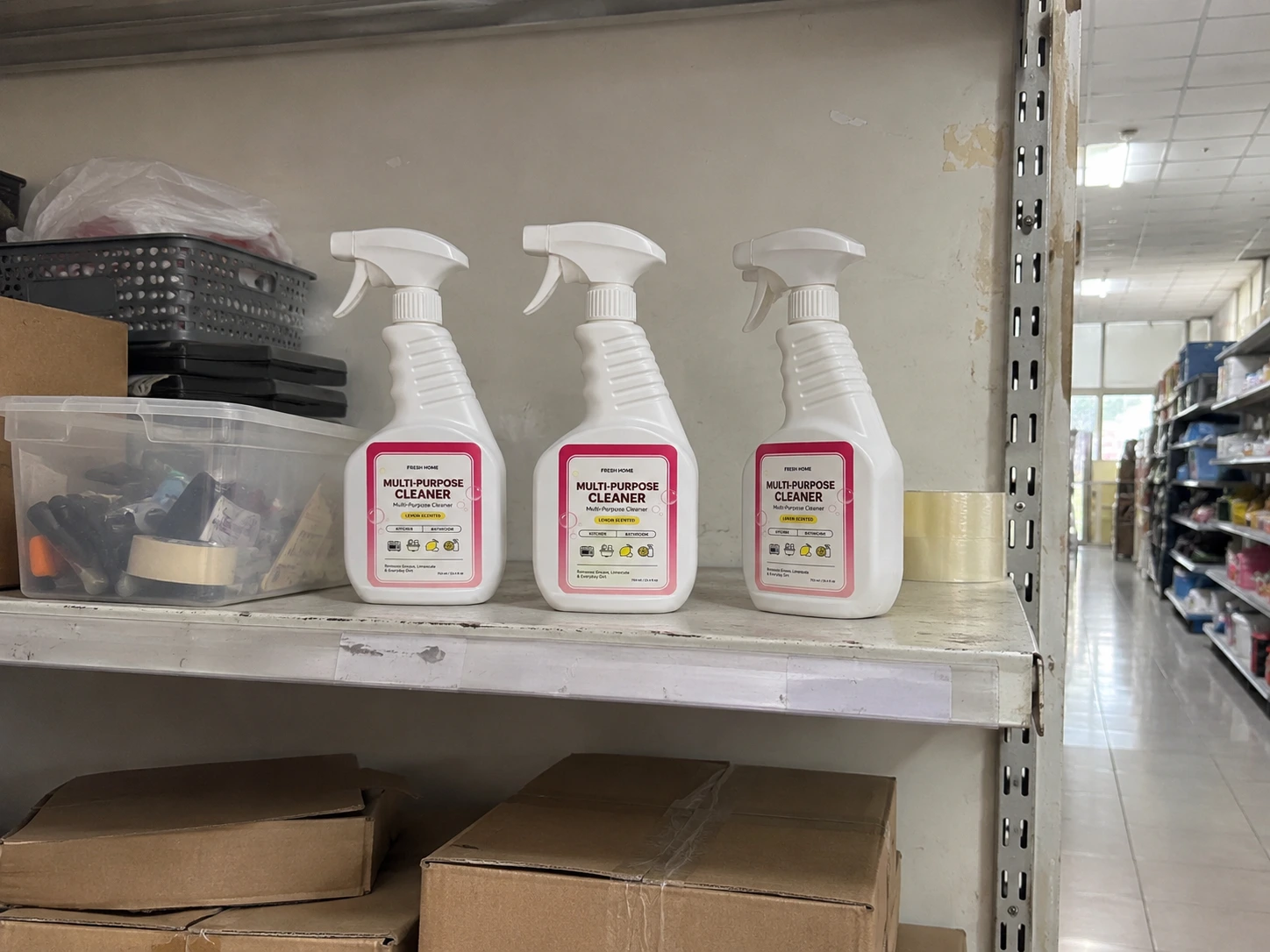
Work through the sequence below, allowing time for the exact product, destination approvals, packaging and transport route. Some activities can overlap, but printing should not run ahead of a resolved product/label file. A generic 30-, 60- or 90-day promise can hide the longest dependency. Record the owner, cost and completion evidence for each milestone, then build the schedule from actual responses.
For a Qiaoshou discussion, send your destination country, customer/channel, cleaning task, preferred product and pack, quantity estimate and evidence needs. Compare catalogue references across laundry and household-cleaning categories, then confirm the selected specification, sample and commercial conditions in writing. The next useful step is a product-and-pack decision with a funded route to the first customer—not an unsupported promise of a complete profitable range.
Practical launch milestones
| Milestone | Evidence to keep | Do not commit beyond this point until… |
|---|---|---|
| Customer and channel | Buyer interviews, competitor shelf/order audit, credible trial interest | There is a specific customer problem and reachable route to purchase |
| Product and supply | Comparable quotes, supplier checks, samples and specifications | The product/pack and commercial scope can be evaluated |
| Local file and label | Classification/approval plan, matched documents, reviewed artwork | The responsible local party resolves the requirements for that SKU |
| Funding and order | Contribution model, dated cash plan, agreed acceptance terms | The first order and the likely replenishment overlap are affordable |
| Receiving and pilot | Batch/stock record, actual sales, complaints, refunds and collections | The evidence meets the review rule you set before ordering |
| Reorder or revise | Repeat demand, corrected issues and updated cash forecast | The next purchase fits quality, customer and cash limits |
This is a planning sequence, not a Qiaoshou production lead time or an approval timetable.
Article references
These general references support buyer checks. The importer remains responsible for confirming the rules that apply to the final formula, classification and destination market.
- SBA — business planning and break-evenPublication date not clearly stated; checked 16 November 2026 · General planning framework and arithmetic; U.S. local rules are not applied globally.
- business.gov.au — startup costsPublication date not clearly stated; checked 16 November 2026 · General distinction between startup and running costs, not a detergent budget.
- business.gov.au — cash flowPublication date not clearly stated; checked 16 November 2026 · General cash and stock planning; no sales or payback forecast.
- International Trade Administration — landed costPublication date not clearly stated; checked 16 November 2026 · Cost categories; actual classification, taxes and charges require the selected route.
- ICC — Incoterms and commercial contractsPublication date not clearly stated; checked 16 November 2026 · Delivery, risk and cost scope; not a substitute for the full sales contract.
- International Trade Administration — due diligencePublication date not clearly stated; checked 16 November 2026 · Trade-partner review principle; not an audit or endorsement of Qiaoshou.
- SGS — pre-shipment inspectionPublication date not clearly stated; checked 16 November 2026 · Inspection-scope example, not a certification of the products shown.
- EPA — soap and detergent manufacturingUpdated 8 May 2026; checked 16 November 2026 · Different manufacturing processes/environmental topics; U.S. requirements are not a global factory checklist.
- CPSC — laundry packet safetyDocument marked November 2021; checked 16 November 2026 · Packet handling/storage guidance; does not certify Qiaoshou packaging.
- Amazon UAE — selling feesPublication date not clearly stated; checked 16 November 2026 · Fee components vary by category, pack and fulfillment; check the applicable schedule at launch.
- LuLu UAE — 1-litre laundry liquid listingPublication date not clearly stated; checked 16 November 2026 · AED 18.00 displayed including VAT; listing snapshot, location/availability/promotions may vary; no wholesale or efficacy inference.
- LuLu UAE — 15-piece pod listingPublication date not clearly stated; checked 16 November 2026 · AED 15.70 displayed including VAT; per-piece comparison is not a per-wash comparison.
- Malaysia DOSH — CLASS FAQPublication date not clearly stated; checked 16 November 2026 · Workplace-supply scope and finished-product classification; not universal consumer-product registration.
- Malaysia NPRA — cosmetics definitionPage dated 9 December 2022; checked 16 November 2026 · Definition supports a scope distinction, not a ruling on a particular Qiaoshou product.
- Malaysia NPRA — surface-disinfectant guidelineRevision 5.0, 1 February 2025; checked 16 November 2026 · General-cleaning exclusions within this guideline do not remove other obligations.
- UAE — Cabinet Resolution 96/2024Issued 2 September 2024; exact gazette/effective date not established here; checked 16 November 2026 · Federal detergent scope, ECAS and warning-language provisions; confirm SKU applicability.
- Dubai Municipality — detergent guidelinesVersion 3.0, 30 April 2024; checked 16 November 2026 · Dubai Montaji requirements; not the only layer for all UAE sales.
- EAEU — Decision 299 sanitary listBase decision 28 May 2010; current consolidated status not fully established; checked 16 November 2026 · Household-chemical category; accessible attachment does not establish every 2026 amendment or the complete SKU-specific conformity route.
- Rospotrebnadzor — identification-marking scopePublished 7 April 2025; checked 16 November 2026 · Regulator statement on the May 2025 phase; later amendments and SKU scope still require review.
- Chestny Znak operator — covered productsUpdated 6 July 2026; checked 16 November 2026 · Operational marking scope by codes/consumer pack, with later amendments; operator guidance is not the legislative text.
- Qiaoshou — product cataloguePublication date not clearly stated; checked 16 November 2026 · Product families and visual references only, not evidence of performance, local approval or fixed terms.
- Qiaoshou — OEM and private labelPublication date not clearly stated; checked 16 November 2026 · Project discussion scope; exact capabilities, rights and terms require agreement.
- Qiaoshou — Hand Washing PowderPublication date not clearly stated; checked 16 November 2026 · Hand-cleansing product identity; not evidence of laundry-powder supply.
- Qiaoshou — laundry pods referencePublication date not clearly stated; checked 16 November 2026 · 50-piece reference, not 50 washes or packaging certification.