
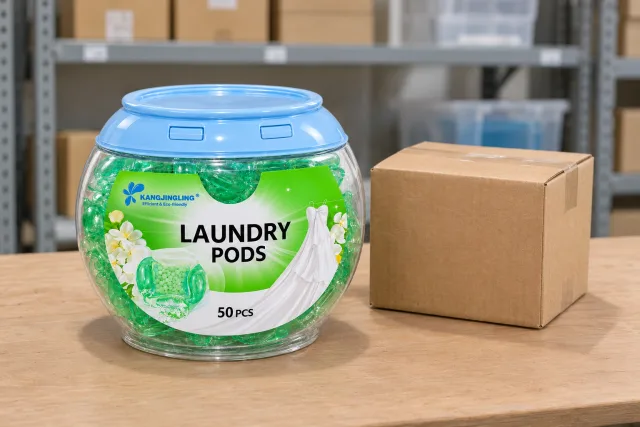
Sticking in the pack is a different question from residue in the wash
Two pods joined together in a tub raise a different question from detergent left on clothing after a cycle. Start by deciding which event you are investigating. A pack photograph may show pods touching, but it may not show whether they are actually stuck, whether any film is broken or when the condition developed. Avoid opening or manipulating a suspect pack simply to produce a more dramatic picture.
For an importer, the first useful distinction is the handling stage: was the delivery still closed, was the sample just opened, or had it been used and stored for several days? Record that stage before comparing possible explanations. A similar appearance in two photographs does not prove that the products have the same formula, packaging or history.
Understand the moisture issue without inventing a humidity limit
Ariel’s guidance identifies moisture and humidity as factors that can make its pods stick or begin dissolving. It advises dry hands and closing the container properly. This is a useful explanation of why water contact matters, rather than evidence that a particular Qiaoshou formula has passed a tropical-storage test. Read the storage directions for the exact product and packaging you are reviewing.
Describe the real route to the supplier: receiving area, warehouse, retailer back room and the place where an opened pack will be used. Ask which documented storage conditions apply to that product. There is no universal temperature, humidity percentage or shelf-life figure established by this article. If a monitored reading is available, keep its date and location; a single reading cannot reconstruct the full journey.
Record an unopened delivery before changing its condition
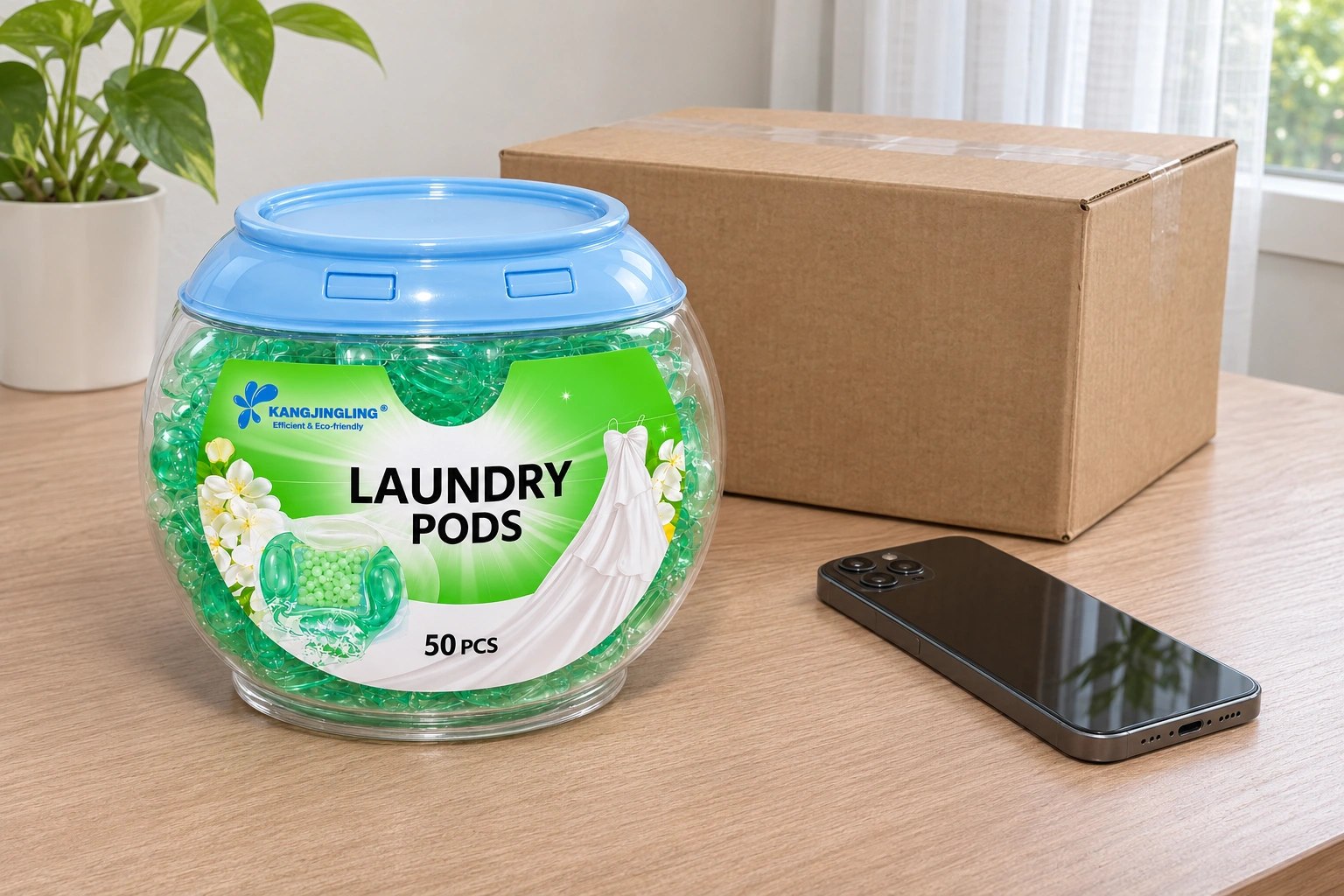
Keep the order or sample reference, product name, batch details if shown, arrival date and photographs of the shipping carton together. Record visible damage and the condition of the retail closure before opening. State what you can observe and what you cannot see through the pack. These records help the supplier identify the item and understand the sequence; they do not certify that a delivery has passed an inspection.
If several units are affected, record which units you observed and how they were selected. Do not turn a few photographs into an unsupported batch defect rate. Where contents appear to have leaked or the closure is compromised, set the affected pack aside from sale or use and request product-specific instructions. Do not send a potentially leaking sample through ordinary transport without agreeing safe handling with the supplier and carrier.
Review an opened pack with a handling timeline
For an opened sample, note when it was first opened, where it was kept, who handled it and whether the lid was fully closed between uses. Include possible water contact or a change of storage location if known. Record uncertainty plainly. The purpose is to give both parties the same account of events, not to assign fault to the customer or manufacturer before reviewing the evidence.
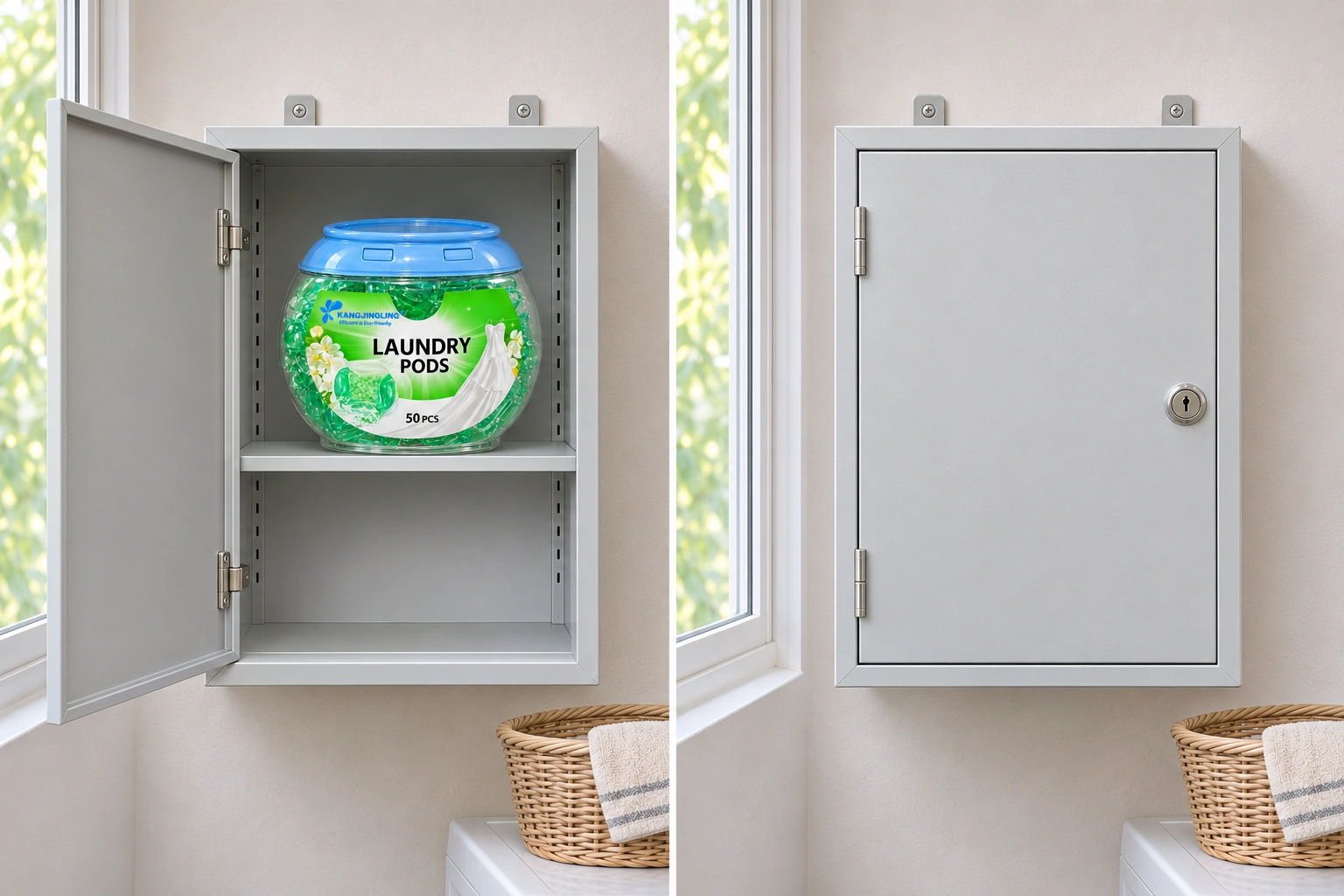
Keep pods in their original labeled package. The CPSC recommends dry handling and keeping the original package closed, locked away and outside children’s sight and reach. Do not pull joined pods apart, puncture them, wet them to separate them or move them into a decorative jar. Ask the supplier for the appropriate response to the exact condition. Being able to close a tub does not, by itself, demonstrate a child-resistant packaging rating.
Compare the product and its packaging as one sample
A useful sample review identifies both the pods and the pack: product reference, selected pod format, retail quantity, container and closure version, and the directions supplied with them. Keep that identity with any observations. If the formula, film, closure or container changes, ask which earlier observations and supporting documents still apply. A good-looking sample in one pack is not proof that a different pack will behave identically.
Agree in advance what any formal storage or transport evaluation is intended to show, who will perform it, which conditions and duration will be used and what counts as an acceptable result. Qualified personnel should define the method for the selected product. A short visual check is useful for recording condition; it does not establish shelf life, moisture-barrier performance or the cause of an adhesion problem.
Turn the observations into a clear supplier discussion
Send a concise description with the sample or order reference, photographs, the stage when the issue appeared and the known handling history. Separate the observation, such as visible wet residue, from a proposed explanation, such as moisture entering the pack. Ask the supplier to confirm what further information is needed, the response for affected stock and whether another sample or a defined evaluation is appropriate.
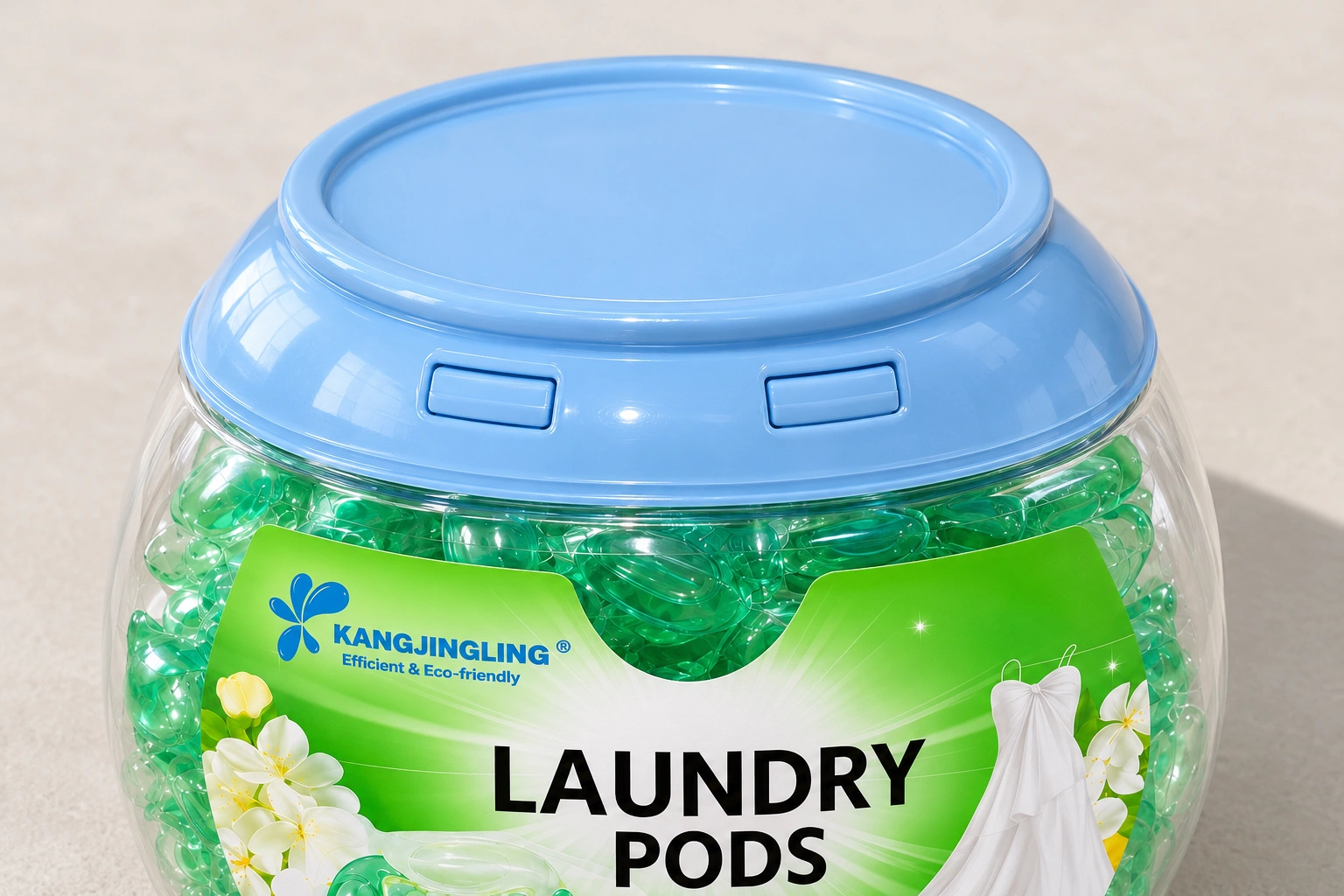
Qiaoshou’s current catalog reference is a Kangjingling 50-piece retail tub. That is a piece count, not a guarantee of 50 washes or storage performance. For a private-label project, discuss the selected pod, tub, closure, destination market and label together. Confirm the applicable product directions and supporting evidence before accepting the pack; the product photograph and this guide cannot replace that review.
Start with the observation, then decide the next check
| What you notice | What to record | What to check next |
|---|---|---|
| Pods appear joined in a previously unopened pack | Delivery date, batch, outer packaging and closure before opening | Ask the supplier to review the exact product and pack; appearance alone does not establish a cause |
| Sticking appears after the pack has been opened | Opening date, closure routine, storage location and possible moisture contact | Compare handling with the actual pack directions and discuss the change with the supplier |
| Broken film, wet residue or leaking contents are visible | Record safely without pulling pods apart or touching the contents | Set the affected pack aside from sale or use and obtain product-specific handling and resolution instructions |
| Residue appears only after washing | Machine model, programme, loading and product directions | Use the separate dissolution guide; do not classify all wash residue as a storage problem |
Article references
These general references support buyer checks. The importer remains responsible for confirming the rules that apply to the final formula, classification and destination market.
Related sourcing pages
Laundry Pods
The current product reference is a 50-piece Kangjingling retail tub. Pod color and packaging options are reviewed against the approved sample; 50 pieces does not mean 50 washes.
Explore laundry podsRequest pod samplesRequest a Wholesale QuoteCompare laundry pod quotesPrivate-label process